
- By Air: Pune International Airport (PNQ) in Lohegaon is about 8 km from the city centre, with direct domestic and international flights from major cities including Mumbai, Delhi, Bengaluru, Dubai, and Bangkok.
- By Train: Pune Junction is the city’s main rail hub, well-connected to key cities like Mumbai, Delhi, Bengaluru, and Hyderabad, with fast options like Vande Bharat and Deccan Queen from Mumbai.
- By Road: Easily accessible via the Mumbai–Pune Expressway (NH 48), a 150km drive of around 2.5 hours, with frequent state-run and private buses from Mumbai, Nashik, and Kolhapur


Best Time to Visit
- October to February: The weather is cool and dry, making it the best time for sightseeing, fort treks, and outdoor activities, and it is also the peak tourist season.
- March to June: The weather is hot and dry, making it a peak season for water parks, so it is best to schedule outdoor activities in the early mornings.
- July to September: The monsoon transforms the Sahyadri Hills and dam sites into spectacular landscapes, although some adventure activities may be restricted.
By Budget
- Budget (Under INR 2,000/Night): Expect hostels and guesthouses near Koregaon Park, Shivajinagar, and Pune Station that offer functional stays with easy public transport access.
- Mid-range (INR 2,000 to 6,000/Night): You’ll find business hotels, boutique properties, and serviced apartments across Koregaon Park, Kalyani Nagar, and Viman Nagar.
- Luxury (INR 6,000 and Above/Night): Choose from 5-star hotels and resort-style stays in the Sahyadri foothills, ideal for families and weekend getaways.

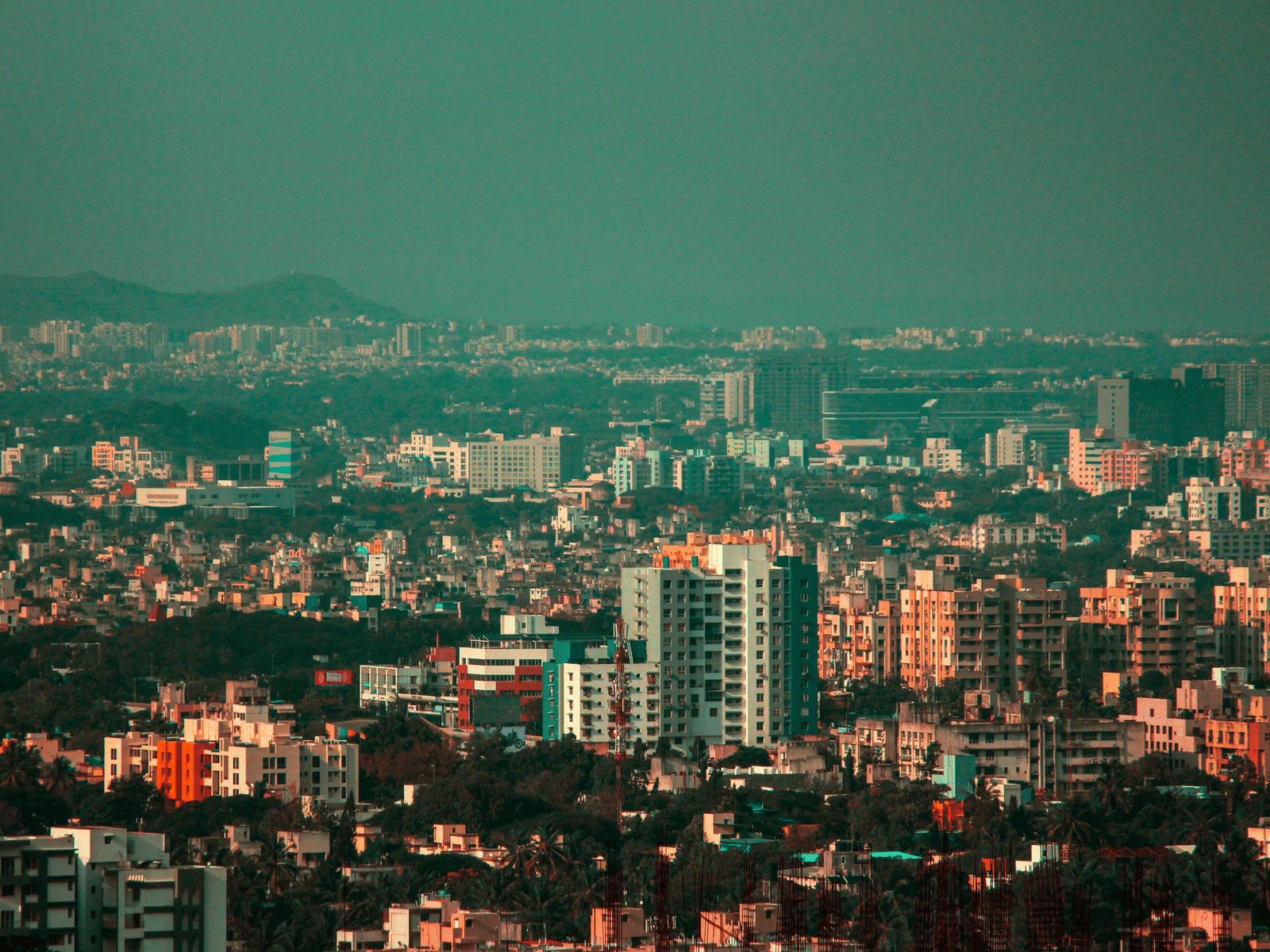
By Location
- Koregaon Park: Ideal for leisure travellers, with walking access to the Osho Ashram and a dense mix of cafes, restaurants, and nightlife
- Hinjewadi: Located in the western suburbs, this IT hub is well-connected and primarily suited for business stays rather than leisure.
- Outskirts and Sahyadri Foothills: Expect quieter, nature-facing properties near trekking routes and dams, making them well-suited for families and longer stays.
- Shaniwar Wada: An 18th-century Peshwa fort palace commissioned by Peshwa Baji Rao I, later destroyed by fire in 1828, the remains of its fortifications still stand. Open from 8:00 AM to 6:30 PM, entry costs INR 5 for Indians and INR 125 for foreigners, with a weekend sound-and-light show priced at INR 25.
- Aga Khan Palace: Built in 1892 as a famine relief project, it later became a significant site during the Quit India Movement, where Mahatma Gandhi, Kasturba Gandhi, and other freedom fighters were interned. Open from 9:00 AM to 5:30 PM. Entry costs INR 25 for Indians and INR 300 for foreigners.
- Pataleshwar Cave Temple: This 8th-century rock-cut Shiva temple, carved from a single basalt rock, is from the Rashtrakuta dynasty and sits along Jangli Maharaj Road.


Nature and Green Spaces
- Okayama Friendship Garden: A 10-acre Japanese-style garden in Shivajinagar featuring a lake, landscaped lawns, and peaceful walking paths. Open daily from 6:00 AM to 11:00 AM and 4:00 PM to 9:00 PM. Entry costs INR 5 for kids and INR 10 for adults.
- Vetal Tekdi: A forested ridge within city limits offering marked trails and a 60 to 90-minute hike to the summit for sweeping skyline views. Open daily with free entry and best visited at sunrise.
- Mulshi Dam: Located about 45 km from Pune, this scenic spot is perfect for a half-day road trip through the Sahyadri foothills and is especially beautiful during and just after the monsoon.
Modern Leisure
- Osho International Meditation Resort: Set in Koregaon Park, this retreat offers meditation spaces, the 12-acre Osho Teerth Gardens, and a cafe, with entry requiring prior registration.
- Phoenix Marketcity: A large retail and entertainment hub on Nagar Road with over 300 stores, a multiplex, bowling alley, gaming arcade, and food court. Open daily from 11:00 AM to 9:30 PM.


Adventure: Diamond Parks
For families and groups, Diamond Parks in Lohegaon is the top adventure addition to any Pune trip plan. Situated about 12 km from Pune International Airport, this destination stands as the city's most comprehensive water and theme park, perfectly designed for a full-day excursion.
- Water Slides and Pools: A 30,000 sq. ft. wave pool, water rides including high-speed slides and family pools
- Adventure Rides: Zipline, rocket bungee, rope courses, and carnival games. Open for ages 12 and above.
- Kids' Air-conditioned Zone: Dedicated indoor play area with games for younger children
- Timing: Open daily, 10:00 AM to 8:00 PM. Packages are available for group bookings.
Food in Pune
- Street Food: Start your day the Pune way—with Misal Pav, Poha, or Vada Pav from the bustling lanes of Laxmi Road and Tulsi Baug.
- Mid-range Dining: Koregaon Park, Kalyani Nagar, and Baner serve up everything from global plates to comfort classics, typically between INR 500 and 900 per person.
- Fine Dining: For something more indulgent, Koregaon Park and Camp Road offer refined dining experiences starting at INR 1,500 per person.
Local Tip: Don’t miss a traditional Maharashtrian thali—simple, satisfying, and available across the city for INR 150 to 300.


Getting Around Pune
- App-based Cabs (Ola and Uber): The easiest way to get around, especially for quick and reliable point-to-point travel.
- Auto-rickshaws: Readily available and metered within the city, though it’s wise to agree on fares for longer distances.
- Pune Metro: With 2 operational lines, it’s a fast and efficient option for navigating key parts of the city.
- Self-drive Rentals: Ideal when you want to take the scenic route to Mulshi Dam, Sinhagad Fort, or the Sahyadris.
- Public Buses (PMPML): Affordable and widespread, best suited for those comfortable navigating local routes
Budget Breakdown (Per Person Per Day)
- Budget: INR 1,500 to 2,500 keeps things simple with a guesthouse stay, street food, and public transport.
- Mid-range: INR 3,500 to 6,000 covers a comfortable hotel, restaurant meals, and easy travel via cabs.
- Luxury: Starting at INR 8,000, expect premium stays, fine dining, and seamless private transfers.


Other Tips
- Keep nylon or Lycra swimwear for the water park—cotton is not permitted.
- Carry cash for heritage sites, street food stalls, and auto-rickshaws; UPI is accepted at most modern venues.
- Avoid Pune’s weekday rush hours (8:00 AM - 11:00 AM and 5 PM - 9:00 PM) by planning your travel for mid-day or late evening.
- Forts and outdoor sites are best visited in the morning before temperatures rise.
- Monsoon trekking on Sahyadri trails requires proper footwear; some routes are restricted during heavy rainfall.